

How Therapy Helps with ADD/ADHD
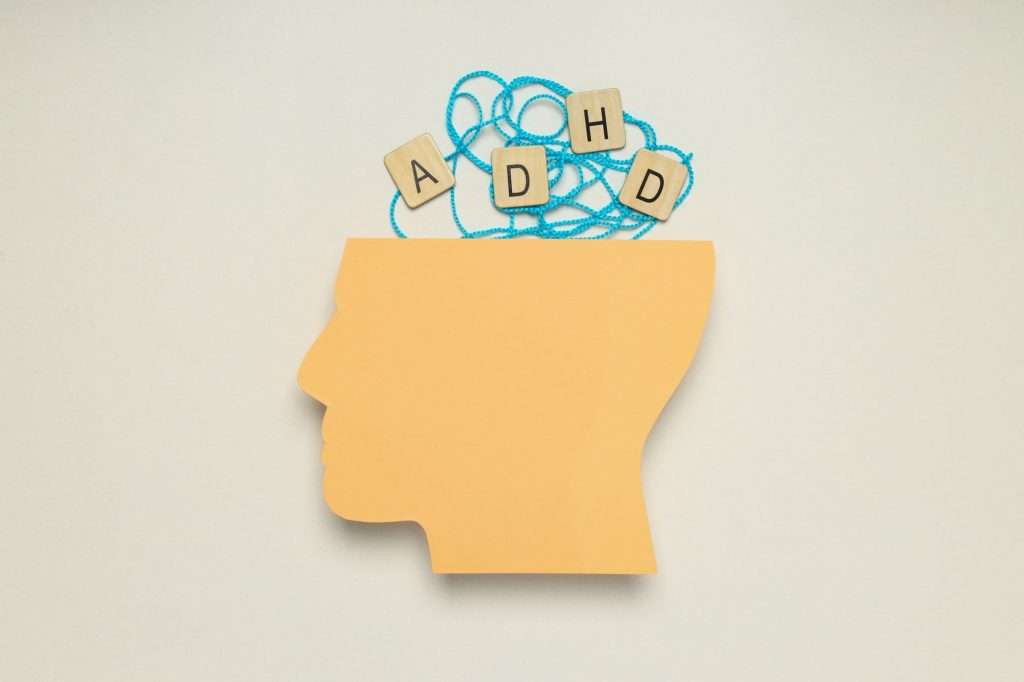
ADD (Attention-Deficit Disorder) and ADHD (Attention-Deficit/Hyperactivity Disorder) are neurodevelopmental conditions that affect attention, organization, impulse control, and emotional regulation.
Therapy can be a powerful tool in helping children, teens, and adults with ADD/ADHD better understand their challenges, develop practical strategies, and build confidence in daily life.
1. Increasing Self-Awareness and Understanding.
I can help you understand how ADHD impacts attention, memory, time management, and behavior, identify personal strengths and challenges, reduce shame, frustration, or self-blame often caused by years of struggling with misunderstood symptoms. This awareness is a foundation for growth and change.
2. Building Executive Functioning Skills.
ADHD often affects executive functions like planning, organization, initiation, and follow-through. I can provide the tools and support to improve time management and scheduling, task prioritization, and goal setting, organization of space and materials, and breaking large tasks into manageable steps.
3. Supporting Emotional Regulation.
Individuals with ADHD may experience intense emotions or mood shifts. I can help with recognizing emotional triggers, to build tools for calming and refocusing, manage frustration, impulsivity, and overwhelm.
Approaches like CBT (Cognitive Behavioral Therapy) or mindfulness-based therapy can be especially helpful.
4. Addressing Self-Esteem and Motivation.
Many people with ADHD struggle with low self-esteem due to repeated difficulties at school, work, or in relationships. I can help reframe negative self-perceptions, develop a growth mindset, recognize and celebrate progress not just outcomes.
5. Managing Co-Occurring Conditions.
ADHD often overlaps with anxiety, depression, or learning differences. I can treat these issues simultaneously, providing holistic care and greater stability.
6. Supporting Parents and Families.
For children and teens, therapy often involves parent coaching or family sessions. This helps caregivers to better understand your child’s brain and behavior, set consistent routines and expectations, use positive discipline, and communication techniques, reduce power struggles and increase cooperation
7. Creating Sustainable Strategies.
Rather than offering quick fixes, I help clients build long-term systems and habits tailored to your unique needs and lifestyle.
These tools support success at school, work, and home. The Goal of ADHD therapy is not to fix ADHD but to help you to thrive with it. By developing insight, practical strategies, and emotional resilience, you can live a more focused, empowered, and fulfilling life.
Post Tags :

Virginia Berling
Since returning to college in her 40s, Virginia has devoted her life to helping others find hope, healing, and peace. She has worked in diverse settings—from supporting individuals with serious mental illness in Arizona to serving as a school counselor and mental health clinician in Illinois. Her experience includes virtual therapy, crisis intervention, and counseling clients of all ages through anxiety, trauma, and grief.
About us
Astral Perceptions LLC licensed professional counselor associate, exclusively offers remote mental health therapy services to residents of Oregon and South Carolina, thus affording clients the flexibility to access care at a reasonable cost and at their most convenient time and place.
Oregon
South Carolina
topics
Share
Recent Post
Getting better starts with mental health