How Therapy Helps with Anxiety Disorders

Therapy is a highly effective treatment for anxiety disorders, helping you to understand, manage, and reduce your symptoms. The goal is to address both the emotional and physical responses to anxiety, and to equip you with tools to regain control over your life.
1. Identifying Triggers and Patterns
Therapy provides a safe space to explore what contributes to anxiety—whether it’s specific situations, thoughts, past experiences, or ongoing stressors. By identifying these triggers, you can better understand your anxiety and begin to respond more intentionally, rather than reactively.
2. Learning Coping Skills
I teach evidence-based coping strategies to reduce the intensity of anxious thoughts and physical symptoms. These might include:
- Deep breathing and relaxation techniques
- Grounding and mindfulness practices
- Time management and problem-solving skills
- Distress tolerance techniques
3. Challenging Unhelpful Thought Patterns
Many people with anxiety struggle with distorted or irrational thinking (e.g., catastrophizing or overgeneralizing). Through techniques like Cognitive Behavioral Therapy (CBT), you can learn to recognize, challenge, and reframe anxious thoughts into more balanced, realistic ones.
4. Building Self-Awareness and Confidence
Therapy helps increase emotional awareness and self-compassion. As you understand yourself better, you will often feel more confident in managing anxiety and navigating daily life.
5. Addressing Root Causes
In some cases, unresolved trauma, attachment issues, or chronic stress underlie anxiety symptoms. Therapy can work to process these deeper issues, offering long-term healing rather than short-term symptom relief.
6. Creating a Personalized Plan
Each person’s experience of anxiety is unique. I can work collaboratively with you to create a tailored plan that fits your goals, lifestyle, and strengths.
Post Tags :
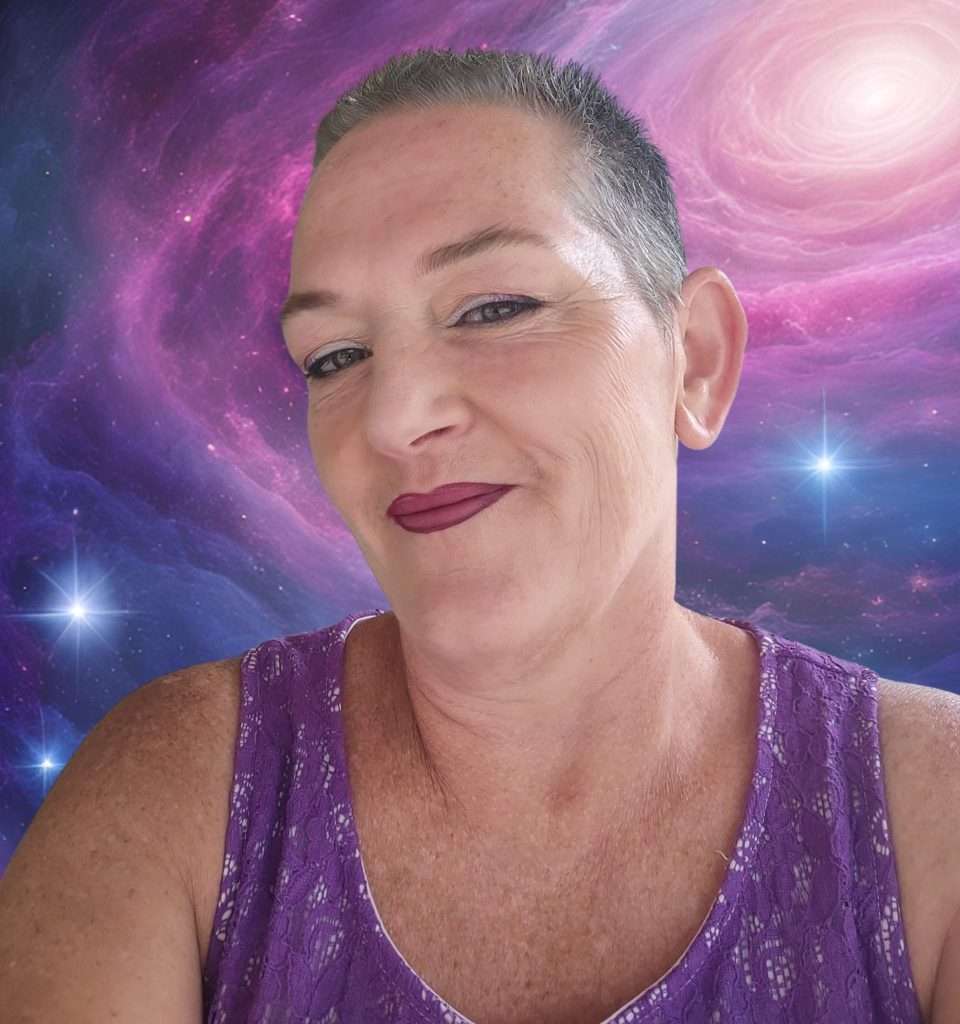
Virginia Berling
Since returning to college in her 40s, Virginia has devoted her life to helping others find hope, healing, and peace. She has worked in diverse settings—from supporting individuals with serious mental illness in Arizona to serving as a school counselor and mental health clinician in Illinois. Her experience includes virtual therapy, crisis intervention, and counseling clients of all ages through anxiety, trauma, and grief.
About us
Astral Perceptions LLC licensed professional counselor associate, exclusively offers remote mental health therapy services to residents of Oregon and South Carolina, thus affording clients the flexibility to access care at a reasonable cost and at their most convenient time and place.
Oregon
South Carolina
topics
Share
Recent Post
Getting better starts with mental health